
When Relationships Feel Stuck: How Couples Therapy Can Help

Updated: Mar 25
By Dr. Meagan Daley, PhD | Registered Psychologist, Ontario & Québec
Relationships are often compared to gardens. They need sunlight, care, and attention to flourish.
In my therapy office, they sometimes look a little different.
Sometimes they resemble a kitchen where the smoke alarm has been going off for three years and no one can quite remember how the fire started.
And yet both metaphors are true.
Long-term relationships require tending. But they also require repair. Because two nervous systems, two life histories, and two sets of emotional needs inevitably collide. That’s not dysfunction. It’s human nature.
As renowned couples researcher John Gottman famously observed:
“Every relationship has conflict. The key is not avoiding it, but repairing it.”

Couples therapy isn’t about deciding who is right. It’s about learning how to reconnect when things go wrong.
And every relationship, even very loving ones, eventually needs help doing that.
What Couples Therapy Really Does
Many couples imagine therapy as a structured debate moderated by a professional referee.
It isn’t. It’s closer to translation work.
Over decades of research, Gottman and his colleagues found that conflict itself doesn’t predict divorce. What matters is how couples handle that conflict. Certain patterns, such as criticism, defensiveness, contempt, and emotional withdrawal, slowly erode connection over time.
In my experience, most couples are not intentionally hurting each other. They’re protecting themselves.
Underneath many arguments is something much more vulnerable:
“Do I matter to you?”
“Will you be there for me?”
“Am I important in your life?”

This insight is central to the work of Sue Johnson, the founder of Emotionally Focused Therapy (EFT), one of the most researched and effective approaches to couples therapy.
Her work reframed relationship distress in a simple but profound way:
“We are wired for connection.”
When couples fight about chores, finances, or parenting decisions, they are often really fighting about connection and emotional safety.
Couples therapy helps bring those deeper concerns into the open.
A Moment from My Therapy Office
Not long ago, I worked with a couple who were locked in a painful cycle of arguments about household responsibilities. He felt overwhelmed, anxious and resentful, convinced he was carrying the entire load. She felt constantly criticized and increasingly anxious about falling short.
At one point during a session he said, with obvious frustration, “You do nothing all day.”
She burst into tears.
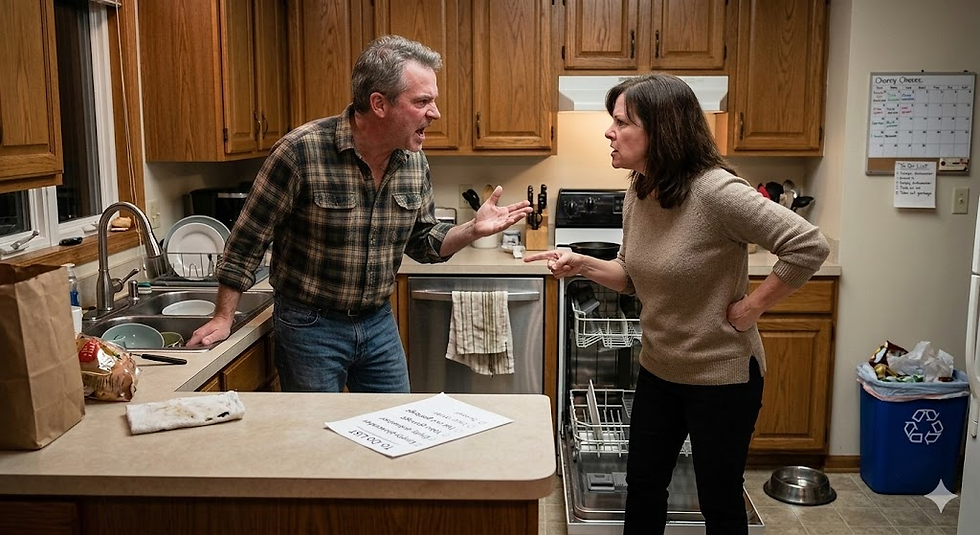
Underneath his frustration was fear - fear that he was alone in the relationship. Underneath her tears was shame - a deep belief that she was failing. When he was eventually able to say, quietly, “I’m scared I can’t keep doing this alone,” the entire atmosphere in the room shifted. The argument was never really about chores. It was about vulnerability.
As psychotherapist Esther Perel often reminds us:
“The quality of our relationships determines the quality of our lives.”
But that quality is built through small moments of honesty and emotional risk.
How Couples Therapy Creates a Safe Space
One of the most powerful aspects of couples therapy is the structure of safety it provides.
A skilled therapist helps couples slow down reactive patterns and understand what is happening beneath the surface.
In practical terms, therapy helps partners:

Express emotions clearly rather than through criticism or withdrawal
Listen with curiosity instead of defensiveness
Recognize repeating conflict patterns
Rebuild emotional trust
Often, couples arrive saying things like:
“You never listen.”
In therapy we slow the conversation down. What’s underneath that statement? Feeling ignored? Lonely? Unimportant? When conversations shift from accusation to vulnerability, defensiveness often softens. And sometimes couples suddenly realize they’ve been having the exact same argument for years. That moment of recognition can be surprisingly powerful, and occasionally a little funny.
Who seeks couples therapy?
Very simply? Very real couples.
Couples therapy is not theoretical or abstract. Sessions are built around the unique experiences, personalities, and challenges of the people in the room.
Every relationship has its own dynamics shaped by:
Personality differences
Stress and work demands
Parenting pressures
Attachment styles
Family history and past relationships

A personalized approach allows therapy to address what is actually happening between partners rather than applying generic advice. What I often find most inspiring is watching couples rediscover moments of empathy and understanding that had been buried under layers of frustration. Those moments are where real change begins.
How to Get the Most Out of Couples Therapy
Starting therapy can feel like a big step, but there are several ways to make the process more effective.
Be honest.Real progress requires expressing thoughts and feelings openly, even when they feel uncomfortable.
Listen with curiosity.Try to understand your partner’s perspective rather than preparing your rebuttal.
Practice outside of sessions.The most important changes happen in everyday interactions.
Be patient.Relationship patterns develop over years and take time to shift.
And perhaps most importantly:
Keep a sense of humour.
It’s not uncommon for couples to pause mid-argument and suddenly say something like, “Wait… haven’t we had this exact fight before?” That moment of shared recognition can be the beginning of change.
Investing in Your Relationship
Couples therapy is not just about solving problems. It’s about building a stronger emotional foundation for the future. Through therapy, couples can learn to:
Communicate with greater clarity and compassion
Repair conflicts more quickly
Rebuild trust and emotional safety
Strengthen their sense of partnership

Like tending a garden, relationships grow through attention, patience, and care.
There will always be seasons - times of closeness, times of stress, and moments when connection needs to be rebuilt. But when both partners are willing to invest in the process, meaningful change is absolutely possible.
Couples Therapy at My Psych Care
At My Psych Care, I offer online couples therapy for adults living in Ontario, helping partners navigate challenges related to communication, emotional connection, stress, and relationship conflict.

Sessions are offered in English and French and focus on practical, evidence-based approaches that help couples understand each other more deeply and reconnect in meaningful ways.
If your relationship feels stuck or disconnected, couples therapy can provide a supportive space to begin moving forward together.
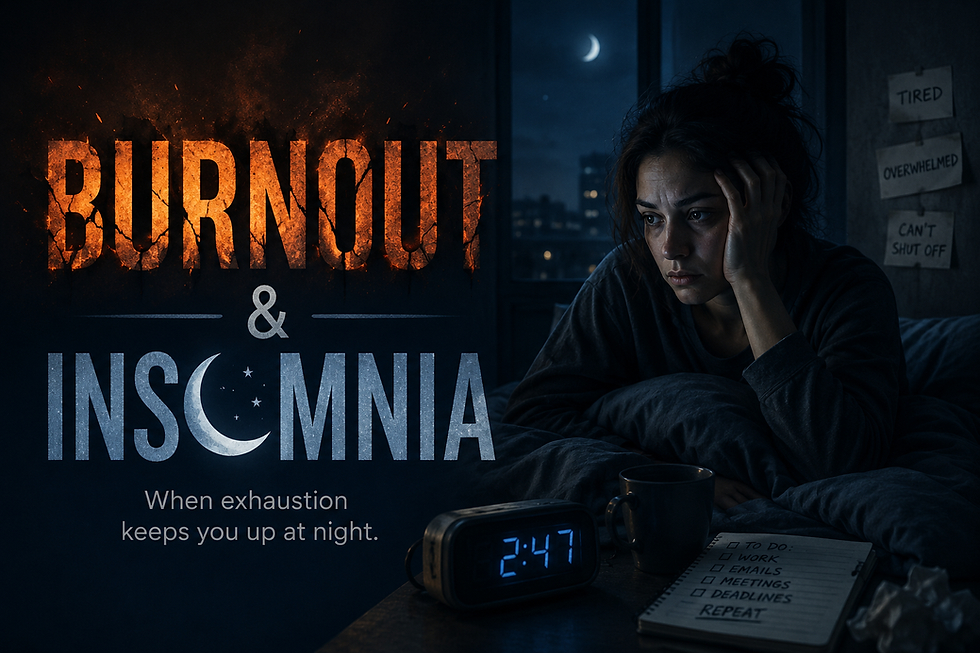
And if, per chance, poor sleep is adding strain to your relationship - as it so often does - you might also want to read about how insomnia affects mood and relationships and can be helped.
If you are suffering from couples issues, burnout, anxiety, insomnia, or other psychological issues and would like help, you can directly book your first session here, or book a free discovery call on our Contact Page.

Comments